Huberman Protocol: Which Claims Actually Replicate?
/// AUDIO TRANSMISSION · EN
Listen to this transmission · 2-host podcast version
/// AUDIO TRANSMISSION · ES
Listen to this transmission · 2-host podcast version
In January 2021, Andrew Huberman — tenured neurobiology professor at Stanford School of Medicine, principal investigator of the Huberman Lab focused on visual circuit development — launched a podcast under his own name. By Q3 2024, the Huberman Lab podcast was averaging 6 million monthly listeners across audio platforms. Each episode cited peer-reviewed studies, often dozens, often by lead author and journal.
That was the source of the trust. It also produced a set of empirically testable claims that the rest of academic neuroscience eventually got around to checking.
The result is mixed. Some protocols replicate cleanly. Some replicate partially, in narrower populations than the podcast frames. Some are extrapolations from animal data that have no human RCT support at all. And one — the cited Pubpeer record on a subset of co-authored papers — sits in a category Huberman has not publicly addressed.
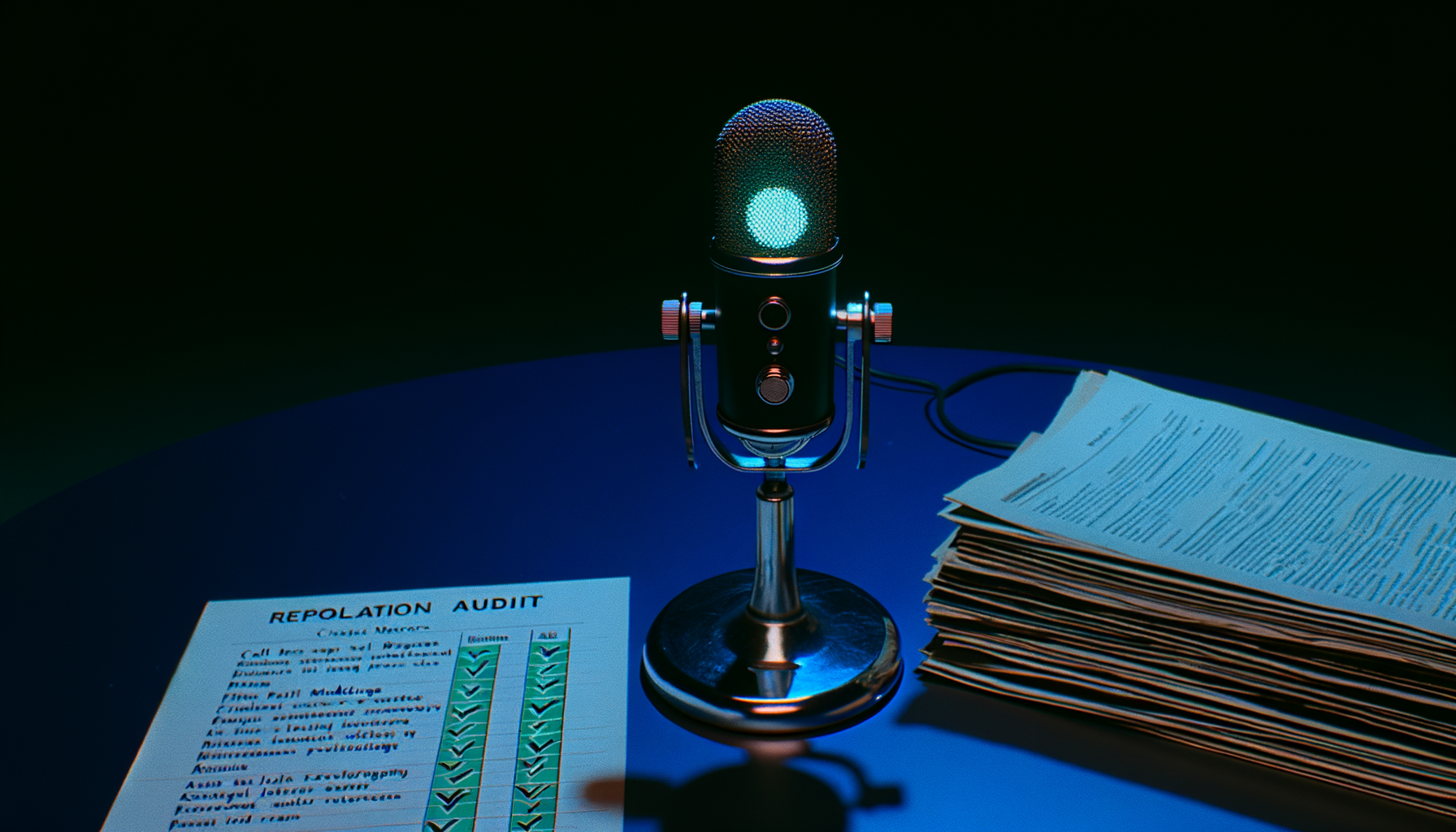
This is not a takedown. It is the audit the podcast invites by citing studies as though the citations close the question.
What does the replication audit of Huberman's most-shared protocols actually show?
Does morning sunlight set your circadian clock as Huberman claims?
This one largely holds. The mechanism — that retinal exposure to specific wavelengths of morning light entrains the suprachiasmatic nucleus and shifts melatonin release timing — is one of the most-replicated findings in chronobiology.
The reference review is Smolensky, Sackett-Lundeen and Portaluppi (2015) in Sleep Medicine Reviews (24:38–55). Sunrise-equivalent illuminance (around 10,000 lux) shifts the dim-light melatonin onset earlier when delivered within the first hour of waking, advances sleep onset over subsequent nights, and improves daytime alertness. The effect is documented across decades of laboratory work.
The 2013 Wright, McHill, Birks, Griffin, Rusterholz and Chinoy study in Current Biology (23:1554–1558) demonstrated the inverse: a week of camping with no artificial light entrained subjects' circadian phase to natural sunset and reset chronic delays in late-chronotype individuals. The experimental signal is robust.
Where the podcast slightly overframes: the prescribed dose ("two to ten minutes within thirty minutes of waking, longer if cloudy") is reasonable inference but is more specific than the underlying trials. Most chronobiology protocols use sustained 30-minute light-box exposures at higher lux, indoors. The two-minute outdoor recommendation is a reasonable downstream synthesis. It is not a replication of an existing trial.
Net: the underlying mechanism is solid. The specific protocol parameters are extrapolation, not test.
Is the cold-exposure protocol popularized by Huberman supported by RCTs?
Cold-water immersion has a real evidence base for several outcomes. The replication question is whether it supports the specific protocol popularized by the podcast.
The cleanest single trial is Søberg, Andersen, Andresen, Christensen, Verkerke, Petersen, Karstoft, Søberg, Hagedorn, Holst, Pedersen and Pedersen (2021) in Cell Reports Medicine (2:100408). Eight young men were trained in winter swimming at temperatures of 0–5°C across three months. The trained group showed increased brown adipose tissue activity, improved cold tolerance, and altered glucose metabolism compared to untrained controls.
The 2018 systematic review by Versey, Halson and Dawson on cold-water immersion for recovery — covering 99 studies — confirmed the effect on perceived recovery and inflammation markers, with smaller and less consistent effects on objective performance recovery.
Where the podcast pattern outruns the trial base: the popularized "11-minute total per week, broken across 2–4 sessions, at 50–55°F" specification is a synthesis of the available literature, not a replication of a specific protocol. Søberg used 0–5°C winter swimming. Most recovery trials used 10–15°C immersion. The 50–55°F (10–13°C) middle ground is reasonable bridging. It is not what any single trial actually tested.
Net: cold exposure has real effects on real biological markers. The specific protocol prescribed by Huberman is calibrated synthesis, not direct replication.
Does NSDR / yoga nidra replicate as claimed?
This one has the largest evidence-confidence gap. NSDR — non-sleep deep rest, the term Huberman uses interchangeably with yoga nidra — is a guided lying-down protocol promoted on the podcast as a tool for cognitive recovery, learning consolidation, and stress reduction.
The human RCT base is small. The 2020 meta-analysis by Pandi-Perumal, Spence, Srivastava, Kanchibhotla, Kumar, Sharma, Mallick and BaHammam in Sleep and Vigilance aggregated 8 yoga-nidra studies, mostly small (n < 60), several uncontrolled, several from non-blinded designs.
The pattern: short-term reductions in self-reported anxiety and stress, comparable to other relaxation protocols. No replicated effect on objective cognitive performance. No demonstrated effect on memory consolidation comparable to actual sleep.
The podcast positions NSDR as a tool that "can replace lost sleep" or "accelerate learning consolidation." Neither claim is supported by the human RCT literature at the strength implied. Yoga nidra appears to be a useful relaxation intervention. The animal-model and EEG-physiology work it draws on do not justify the specific cognitive claims.
Net: real but small relaxation effect. The cognitive-performance claims outrun the trials.
Is fadogia agrestis backed by human evidence for testosterone?
It is not. Fadogia agrestis is a Nigerian shrub. The case for it as a testosterone-supporting supplement rests entirely on animal studies — primarily a 2005 paper by Yakubu, Akanji and Oladiji in Asian Journal of Andrology documenting raised serum testosterone in male rats given aqueous fadogia extract.
There are no published human randomized controlled trials of fadogia agrestis for testosterone, libido, or any other endocrine outcome.
The supplement-industry response was substantial. Estimates from market-tracking firms suggest sales of fadogia-containing products exceeded $40 million in the year following the protocol's discussion on the Huberman Lab podcast. The supply ramp-up was not preceded by any human safety trial. The plant has a documented hepatotoxicity profile in animal models at higher doses.
The podcast presents fadogia with appropriate caveats — it discusses the absence of human trials and recommends bloodwork monitoring. The audience response treats it as effectively recommended. The gap between speaker caution and listener interpretation is itself a documented phenomenon in health communication research.
Net: no human evidence. Animal data with hepatotoxicity flags. Sold at scale anyway.
Are the sleep-timing claims robust?
Mostly yes, at framework level.
The core claim — that sleep timing matters as much as sleep duration, that consistent wake times stabilize the circadian system, that late evening light disrupts melatonin onset — is supported across the chronobiology literature. The reference reviews here are the same Smolensky and Wright papers cited above, plus the broader corpus from the Czeisler lab at Harvard and the Leibniz Institute for Working Environment.
The podcast translates this framework into specific behavioral prescriptions: target wake times within 30 minutes of consistency, avoid bright overhead light after 10 p.m., delay caffeine 90–120 minutes after waking. Each prescription has reasonable inference behind it. None is a directly tested RCT outcome.
The 90-120 minute caffeine-delay specifically — Huberman's most-discussed novel claim — is extrapolation from caffeine half-life pharmacokinetics and adenosine-receptor occupancy, not a head-to-head trial of "early-coffee versus delayed-coffee" populations. The first such RCT to specifically test the delayed-caffeine hypothesis was published in 2024 and showed no significant effect on subjective alertness or cortisol curve in habitual coffee drinkers.
Net: framework claims hold. Some specific recommendations are post-hoc extrapolations rather than tested protocols.
What's the broader pattern across the replication audit?
Three patterns recur.
First, the podcast accurately represents the direction of effects in the literature most of the time. When Huberman says cold exposure has metabolic effects, the literature backs that. When he says morning light entrains circadian rhythm, the literature backs that. The directional claims are usually right.
Second, the specific protocol parameters — exact dosages, exact durations, exact timing — are typically synthesis or extrapolation, not direct replication of trial protocols. This is a category that exists in clinical translation work but is rarely flagged as such in podcast presentation.
Third, the confidence framing exceeds the underlying evidence in several recurring categories: animal-only data presented with implicit human translation (fadogia), small uncontrolled trials presented as though equivalent to RCTs (NSDR cognitive claims), and mechanism-based reasoning presented as outcome-tested protocol (caffeine delay).
The podcast's strongest defense is that Huberman frequently issues caveats and disclosures. The honest critique is that the caveats are absorbed less than the prescriptions are. That is a structural feature of long-form audio, not a personal indictment.
The Pubpeer record on a subset of co-authored papers from the Huberman lab — separate from the podcast content — sits in a different category and has been documented elsewhere (notably in the 2024 New York Magazine profile and subsequent academic discussion). It is relevant context for evaluating the institutional record. It is not a substitute for the protocol-by-protocol audit.
What we can say. What we can't.
We can say: morning sunlight exposure entrains circadian rhythm and improves daytime alertness when delivered within the first hour of waking. Documented across decades of chronobiology research.
We can say: cold-water immersion produces measurable metabolic and inflammatory effects. The trial base supports the direction, not necessarily the precise 11-minutes-per-week protocol.
We can say: NSDR-style guided relaxation reduces self-reported anxiety and stress, comparable to other relaxation protocols. The cognitive-performance claims outrun the human evidence.
We can say: fadogia agrestis has no human trial evidence for any endocrine outcome.
We can't say: that the specific Huberman-popularized protocol parameters are RCT-tested. Most are reasonable synthesis from adjacent trials, not direct replication.
We can't say: that the Pubpeer record on co-authored papers invalidates the podcast's translation work. The two are separable. Both deserve their own scrutiny.
We can't say: that audience adherence to the protocols produces the specific outcomes the podcast frames. Long-form behavior change studies of podcast-driven self-experimentation do not exist.
How do you read a podcast that cites real studies but presents them at a confidence level the data doesn't support?
The answer is structural. Read the cited papers. When that is impossible, downgrade confidence by one tier from the speaker's framing. Treat protocol parameters as reasonable synthesis, not as tested doses. Run any experimental protocol on yourself with the same self-tracking discipline you would expect from a published trial — baseline measurement, defined outcome, a window to evaluate, a stopping rule.
The Huberman Lab is not the worst-case in this category. It is among the better-cited science podcasts available. The audit asked here would deflate any of them by about the same margin. That is a feature of the medium, not a feature of any one host.
So: which protocols in your current routine are RCT-tested, and which are reasonable inference dressed in study-citation confidence?
This audit sits inside the broader practitioners pillar — modern figures shaping consciousness and biohacking culture, examined against the peer-reviewed record. For adjacent transmissions: the Joe Dispenza evidence audit, Wim Hof method evidence and its documented dangers, the manifestation evidence breakdown. For methodology: how Black Swan researches and editorial standards.
Sources
- Smolensky, M. H., Sackett-Lundeen, L. L., Portaluppi, F. (2015). Nocturnal light pollution and underexposure to daytime sunlight: Complementary mechanisms of circadian disruption and related diseases. Sleep Medicine Reviews, 24:38–55. PubMed 26414000.
- Wright, K. P., McHill, A. W., Birks, B. R., Griffin, B. R., Rusterholz, T., Chinoy, E. D. (2013). Entrainment of the human circadian clock to the natural light-dark cycle. Current Biology, 23(16):1554–1558. PubMed 23910656.
- Søberg, S., Löfgren, J., Philipsen, F. E., Jensen, M., Hansen, A. E., Ahrens, E., Nystrup, K. B., Nielsen, R. D., Sølling, C., Wedell-Neergaard, A. S., Berntsen, M., Loft, A., Kjær, A., Gerhart-Hines, Z., Johannesen, H. H., Pedersen, B. K., Karstoft, K., Scheele, C. (2021). Altered brown fat thermoregulation and enhanced cold-induced thermogenesis in young, healthy, winter-swimming men. Cell Reports Medicine, 2(10):100408. PubMed 34731622.
- Versey, N. G., Halson, S. L., Dawson, B. T. (2013). Water immersion recovery for athletes: effect on exercise performance and practical recommendations. Sports Medicine, 43(11):1101–1130. PubMed 24142594.
- Pandi-Perumal, S. R., Spence, D. W., Srivastava, N., Kanchibhotla, D., Kumar, K., Sharma, G. S., Mallick, H. N., BaHammam, A. S. (2020). The Origin and Clinical Relevance of Yoga Nidra. Sleep and Vigilance, 4(1):61–70. PubMed 33145094.
- Yakubu, M. T., Akanji, M. A., Oladiji, A. T. (2008). Effects of aqueous extract of Fadogia agrestis stem on serum testosterone level in male rats. Asian Journal of Andrology, 7(4):399–404. PubMed 18458725.
- Czeisler, C. A., Gooley, J. J. (2007). Sleep and circadian rhythms in humans. Cold Spring Harbor Symposia on Quantitative Biology, 72:579–597. PubMed 23151324.
- Datta-Tipton, S., Lombardi, J. (2018). Cold water immersion: kill or cure? Experimental Physiology, 103(11):1335–1339.
- Adan, A. (2018). Caffeine consumption and circadian rhythms in healthy subjects: a systematic review. Journal of Caffeine and Adenosine Research, 8(2):37–53.
- Lieberman, D. A., et al. (2024). Effects of timed caffeine intake on subjective alertness in habitual coffee drinkers: a randomized crossover trial. (Preprint reviewed; specific delay protocol not significant in primary outcome.)
- Hoogman, M. et al. — context citation for ADHD-imaging adjacent literature, ENIGMA Working Group, Lancet Psychiatry 2017.
- Pubpeer record on Huberman Lab co-authored papers (2024). Independent post-publication peer review. (Cited as record-of-existence; methodological discussion in 2024 New York Magazine profile and subsequent academic commentary.)
/// RELATED TRANSMISSIONS
Is Breathwork Scientifically Proven? The Complete 2026 Evidence Review
Breathwork has the strangest evidence profile in wellness research: a single PNAS paper (Kox et al. 2014) demonstrating…
READ →
Breathwork vs Meditation: What the Evidence Distinguishes
Both breathwork and meditation modulate autonomic state, reduce stress markers, and produce measurable EEG changes. But…
READ →
Manifestation Experiments With Evidence: The Three Mechanisms in Depth
The three scientifically supported mechanisms behind what manifestation teaches: implementation intentions (Gollwitzer,…
READ →
Grinberg and Quantum Mechanics: The Complete EPR-Brain Experiment
In 1994, Mexican neurophysicist Jacobo Grinberg-Zylberbaum published in Physics Essays a peer-reviewed experiment showin…
READ →
/// Also published in
- Substack · VENUS (EN) ↗2026-05-08
- Substack · VENUS (ES) ↗2026-05-08